Bone Grafting in Atlanta, GA

Rebuild. Strengthen. Restore Your Smile.

Bone grafting can help preserve or rebuild lost jawbone, support dental implant planning and protect long-term oral health. Learn about personalized treatment options with Dr. Gail McLaurin at Atlanta Periodontics.

What Is Dental Bone Grafting?

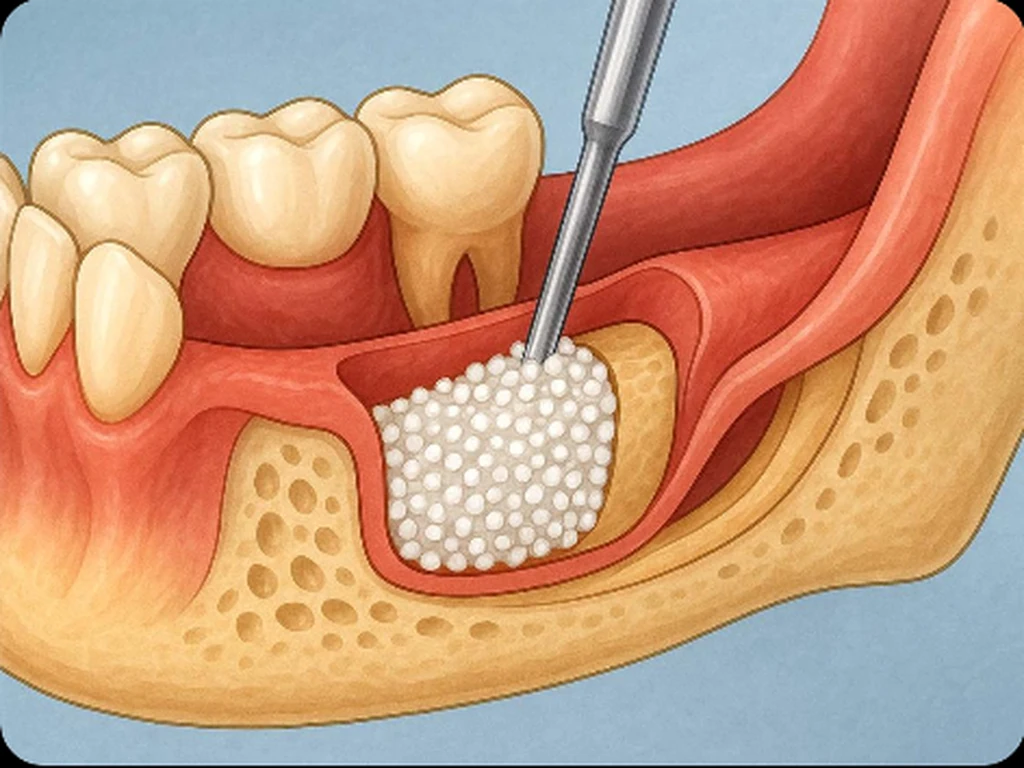
Dental bone grafting is a surgical procedure that adds bone or bone-substitute material to an area of the jaw where bone has been lost or where additional support is needed. The material acts as a scaffold that can support the body’s natural bone healing and regeneration process.

Jawbone loss can occur after a tooth is removed, with periodontal disease, following injury or because of other conditions. Depending on the location and severity of bone loss, grafting may help preserve a tooth-extraction site, rebuild a deficient ridge or prepare the jaw for dental implant placement.

Not everyone with missing teeth needs a graft. Dr. McLaurin evaluates the amount of existing bone, the gums and the proposed restoration before discussing whether grafting is appropriate.

Quick Answer

A dental bone graft helps preserve or rebuild lost jawbone. It may be recommended after tooth extraction, before dental implants or to manage certain periodontal bone defects. Healing and treatment timing vary by patient.

Dr. Gail McLaurin D. M. D. | Atlanta Periodontics | Implants and Periodontal Medicine

Why Jawbone Preservation Matters

After a tooth is lost, the surrounding ridge often begins to shrink because it no longer receives normal stimulation from the tooth root. In some cases, bone loss can make future implant placement more complicated. A timely evaluation can help determine whether ridge preservation or reconstruction may be helpful. A graft cannot guarantee that all bone loss will be prevented, but it can improve the available treatment options for selected patients.

When Might You Need a Bone Graft?

Your general dentist or periodontist may recommend bone grafting when an examination or dental imaging shows a lack of bone in an area that needs support. The decision depends on your oral health, future treatment plans and the shape and condition of the jaw.

Some bone defects are small and localized. Others involve a wider section of the ridge or the area near an upper-jaw sinus. The recommended treatment can vary significantly.

  • After tooth extraction: To help preserve ridge dimensions for future restoration.
  • Before dental implants: To increase bone support when natural bone is insufficient.
  • Gum disease-related bone defects: To support regeneration in selected periodontal defects.
  • Bone loss after missing teeth: To rebuild a narrowed or deficient ridge when appropriate.
  • Injury or trauma: To address certain areas of damaged or missing jawbone.

What Causes Jawbone Loss?

Jawbone loss can happen gradually and may not cause noticeable symptoms. The most appropriate treatment starts by understanding why it occurred. Advanced gum disease can damage the bone supporting a tooth; tooth loss can cause changes in the ridge; and injuries or anatomical factors can create bone deficiencies.

If active periodontal disease is present, it is important to address the infection and inflammation as part of the overall plan. Learn more about gum disease prevention and treatment.

  • Periodontal disease and inflammation
  • Missing teeth and natural ridge remodeling
  • Dental infections or severe tooth damage
  • Trauma and prior extractions
  • Anatomy of the upper jaw and maxillary sinus
  • Other health or anatomical factors identified during evaluation

Common Types of Dental Bone Grafting

The word bone grafting covers several procedures with different goals. These four examples show how a graft may be used. The exact procedure and whether it is offered for your case will be confirmed during your consultation with Dr. McLaurin.

Socket Preservation

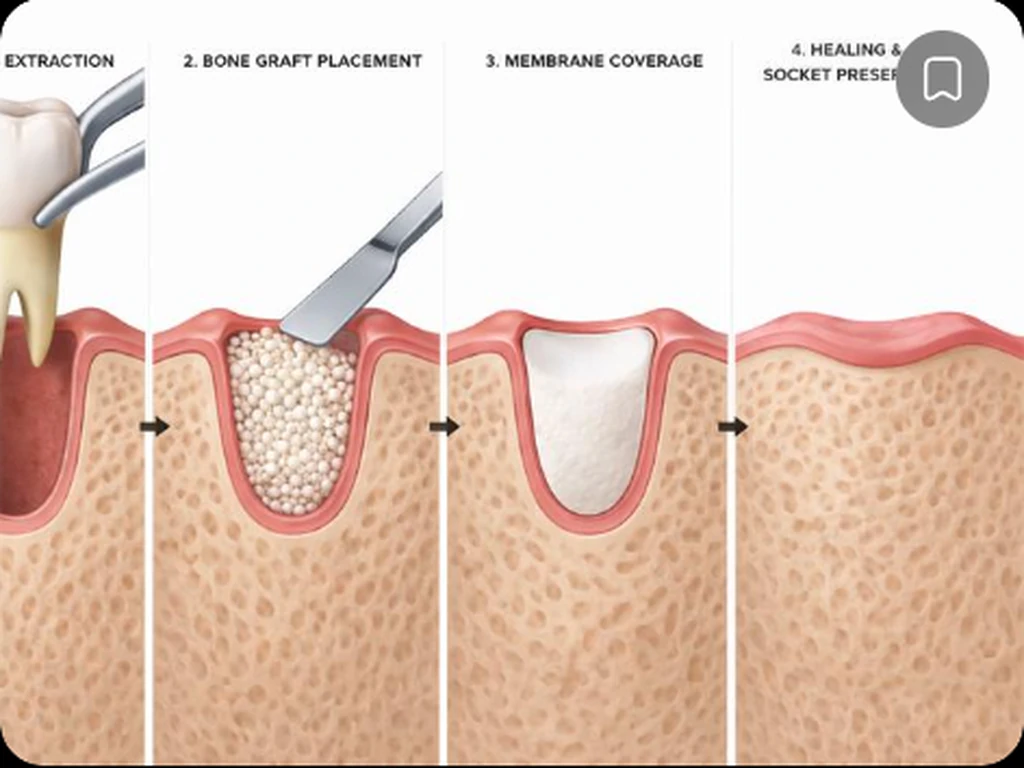
After a tooth is removed, graft material may be placed in the empty socket to help limit ridge shrinkage during healing. This can be particularly helpful when a future dental implant or other restoration is being considered.

Ridge Augmentation

If part of the jawbone ridge has become too narrow or has lost height, grafting can help rebuild the site. A stronger ridge may support a future implant or improve the foundation for other restorative treatment.

Sinus Lift Grafting

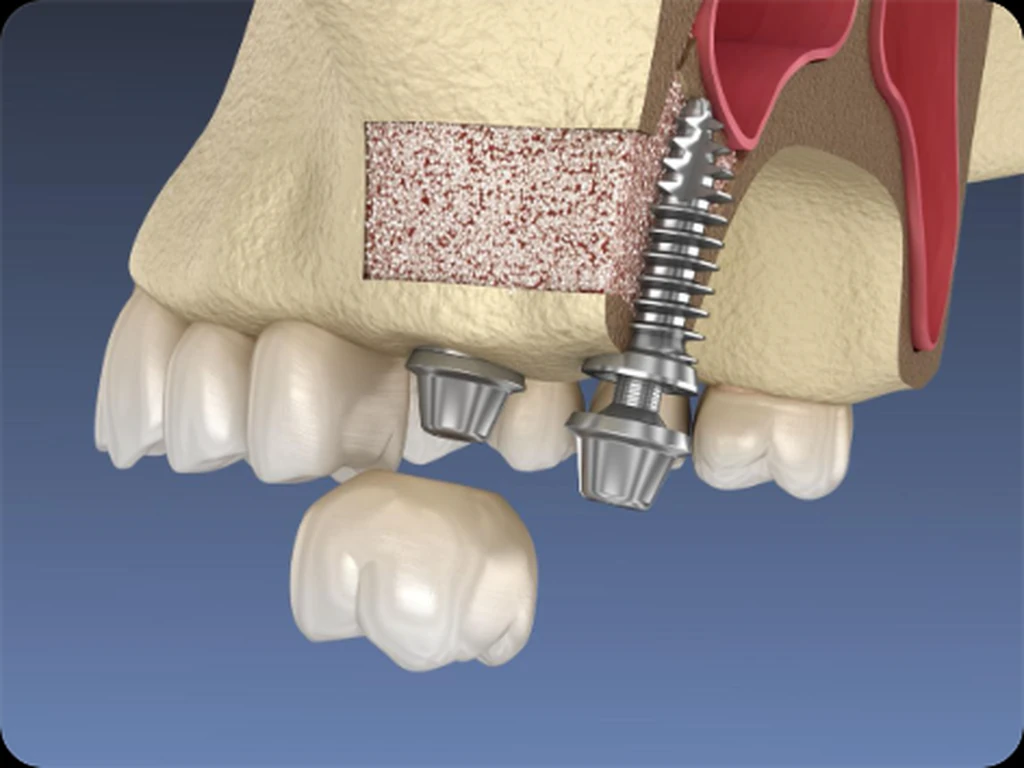
In some upper-jaw implant cases, the sinus limits the available bone height. A sinus augmentation can create space for graft material beneath the sinus membrane, potentially improving support for future implant placement.

Periodontal Bone Grafting

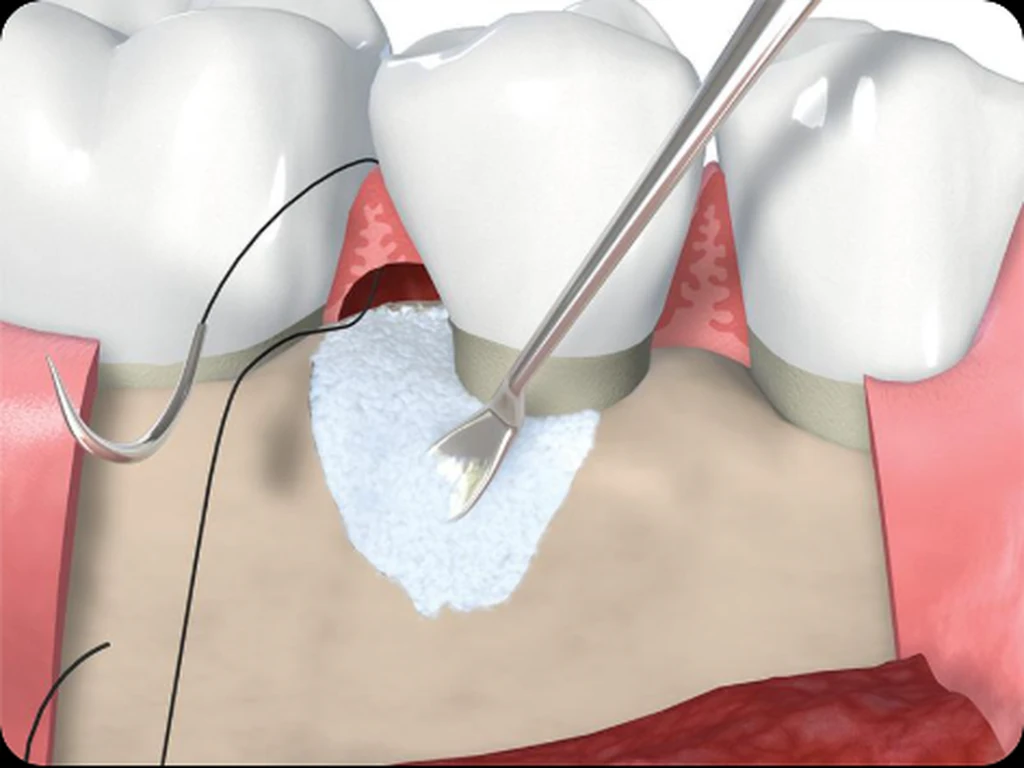
Selected bone defects caused by periodontal disease may benefit from regenerative treatment. A graft, sometimes combined with a membrane, can help support healing around the roots and supporting structures of affected teeth.

Benefits of Dental Bone Grafting

Bone grafting can preserve or restore areas of jawbone and support long-term treatment planning. Results depend on the original defect, graft material, medical history and healing response.
  • Help preserve extraction-site bone after a tooth is removed
  • Rebuild selected areas of lost jawbone to improve available support
  • Expand implant treatment options when additional bone is needed
  • Support periodontal regeneration in suitable bone defects
  • Improve ridge dimensions for future restorative planning
  • Provide a framework for healing while natural bone develops

Types of Bone Graft Materials

Graft materials are different from grafting procedures. Depending on your clinical needs, a doctor may consider your own bone, processed donor bone, animal-derived material or a synthetic substitute. Materials differ in their properties and how they support bone healing. Dr. McLaurin will explain which material is recommended and why.

Autograft

Bone obtained from the patient’s own body. It contains living bone components but may require a second surgical site and is not necessary for every graft.

Allograft

Processed bone from a human donor. It avoids harvesting bone from another site in the patient’s body and is commonly used in dental grafting.

Xenograft

Processed bone-derived material from another species, often bovine. It is selected for certain applications to help maintain space for bone healing.

Alloplast

A synthetic bone-substitute material, such as certain calcium phosphate products. Its suitability depends on the treatment goal and site characteristics.

What Happens During a Bone Graft Procedure?

The process depends on the type and location of the graft. During your evaluation, Dr. McLaurin will review your oral health, discuss imaging when needed and explain the goals, alternatives and expected healing period.

  1. Evaluation and planning. The defect and surrounding teeth and tissues are examined to determine whether grafting is recommended.
  2. Comfort and anesthesia. Local anesthesia is commonly used; appropriate sedation options may be discussed.
  3. Site preparation. The treatment area is prepared and cleaned, and graft material is selected based on the planned procedure.
  4. Graft placement. Bone or bone-substitute material is placed to preserve or restore the deficient area.
  5. Protection of the site. A barrier membrane may be placed where appropriate to help protect the graft during healing.
  6. Healing and follow-up. Your doctor monitors healing before determining whether the site is ready for the next step in treatment.

Bone grafting can sometimes occur at the same time as a tooth extraction or implant placement, while other cases need a separate healing period first.

Nervous About Treatment?

Ask about comfort options

Your treatment plan can include a discussion about anesthesia and comfort measures suited to your needs.

Advanced Healing Options: PRGF

Atlanta Periodontics describes using Plasma Rich in Growth Factors (PRGF) in some surgical cases, including bone grafting. PRGF is prepared using a sample of the patient’s blood to concentrate components involved in the body’s natural healing process. Whether PRGF is appropriate depends on the procedure, the patient and Dr. McLaurin’s evaluation; it is not a guaranteed way to eliminate complications or speed recovery for every patient.

Bone Graft Recovery and Healing

Initial soft-tissue recovery often takes approximately one to two weeks, but bone healing can take several months. The timetable depends on the graft’s location and size, the material used, your general health and whether a dental implant is planned.

During early healing, your care instructions may include eating softer foods, avoiding direct pressure on the site, using prescribed rinses or medications, avoiding tobacco and returning for follow-up visits. Do not disturb the graft or membrane with your tongue or fingers.

Call the practice if you experience persistent or heavy bleeding, worsening pain or swelling, fever or other symptoms that concern you. Only a follow-up examination and appropriate imaging can determine whether a grafted area is ready for its next phase of treatment.

Protecting Your Graft
  • Follow your written postoperative instructions
  • Eat softer foods for the recommended period
  • Avoid smoking, vaping and disturbing the site
  • Attend all scheduled follow-up visits
  • Report unexpected symptoms promptly

Why Choose Dr. Gail McLaurin for Bone Grafting in Atlanta?

Dr. Gail McLaurin, DMD completed her periodontal specialty training through Emory University’s postdoctoral dental program and has practiced in Atlanta for decades. At Atlanta Periodontics, care is planned around the condition of each patient’s gums, jawbone and surrounding teeth.

Grafting is not a one-size-fits-all procedure. Your evaluation should identify the reason for bone loss, whether grafting is needed, the most suitable materials and the likely stages of treatment.

Serving Atlanta and Surrounding Communities

Atlanta Periodontics is located at 5555 Peachtree Dunwoody Rd NE, Suite G73, Atlanta, GA 30342. The practice welcomes patients from Sandy Springs, Dunwoody, Buckhead, Brookhaven and surrounding Metro Atlanta communities.

Schedule a Bone Grafting Evaluation

Call Atlanta Periodontics

(404) 255-9511. Our team can answer scheduling questions and help you arrange a consultation.

Bone Grafting FAQ

Answers to common questions about dental bone grafting, jawbone loss and implant preparation in Atlanta.

How do I know whether I need a bone graft?

A periodontist can examine your teeth and gums and review appropriate dental imaging to determine how much bone is available and whether additional support is needed. Not every missing tooth or planned dental implant requires grafting.

Is a bone graft necessary before dental implants?

Not always. Some patients have enough natural bone for an implant, while others may need grafting before or during placement. The amount and position of available bone help determine the plan.

How long does a dental bone graft take to heal?

Soft tissue often improves over one to two weeks, while bone integration and remodeling can take several months. The size and location of the graft, material used and your individual health influence healing time.

Is dental bone grafting painful?

Local anesthesia is commonly used during the procedure. Soreness, swelling and discomfort afterward are possible and vary with the type and extent of surgery. Your clinician can discuss pain management and comfort measures.

Where does the bone graft material come from?

Material may come from your own bone, processed human donor bone, processed animal-derived material or a synthetic substitute. Dr. McLaurin can discuss the recommended source and any questions you have about it.

What is a dental bone graft membrane?

A barrier membrane is sometimes placed over a graft to protect the site and help separate healing soft tissue from the area where bone is intended to regenerate. Not every graft needs a membrane, and different materials may be used.

Can bone grafting repair bone lost to gum disease?

Selected periodontal bone defects may be suitable for regenerative treatment. Whether a graft can help depends on the shape of the defect, infection control, tooth prognosis and other clinical factors.

Can a bone graft fail?

Yes. Grafts do not succeed in every case, and infection, impaired healing, tobacco use and other factors can increase complications. A careful treatment plan and postoperative care help manage these risks.

Does dental insurance cover bone grafting?

Coverage varies by plan and the purpose of the graft, such as extraction-site preservation or implant preparation. The office can review the proposed procedure and provide information for checking plan benefits.

How much does dental bone grafting cost in Atlanta?

Cost depends on the procedure, size of the site, materials, any imaging needed and whether treatment is combined with an extraction or implant. A personalized estimate can be provided after evaluation.

(404) 255-9511

Questions about dental bone grafting?

Our team is available to answer general questions and help you schedule a consultation with Dr. Gail McLaurin.

Atlanta Periodontics

5555 Peachtree Dunwoody Rd NE, Suite G73, Atlanta, GA 30342

Ask Us a Question!

Contact our office to learn about scheduling a periodontal evaluation. Please avoid submitting sensitive medical details through an unsecured form.

  • This field is for validation purposes and should be left unchanged.